Vickers MKVI 3.7 Inch HAA Gun
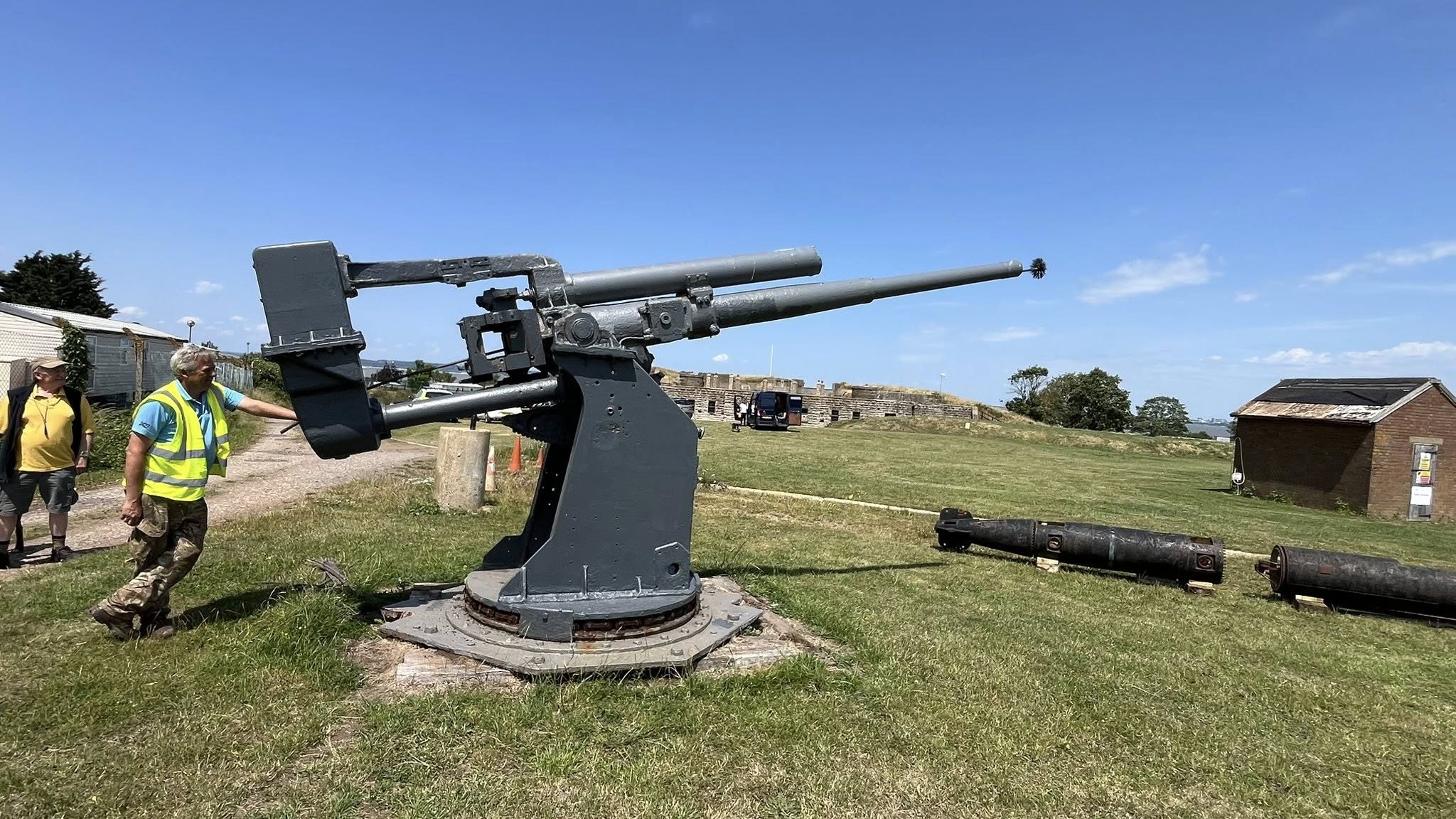
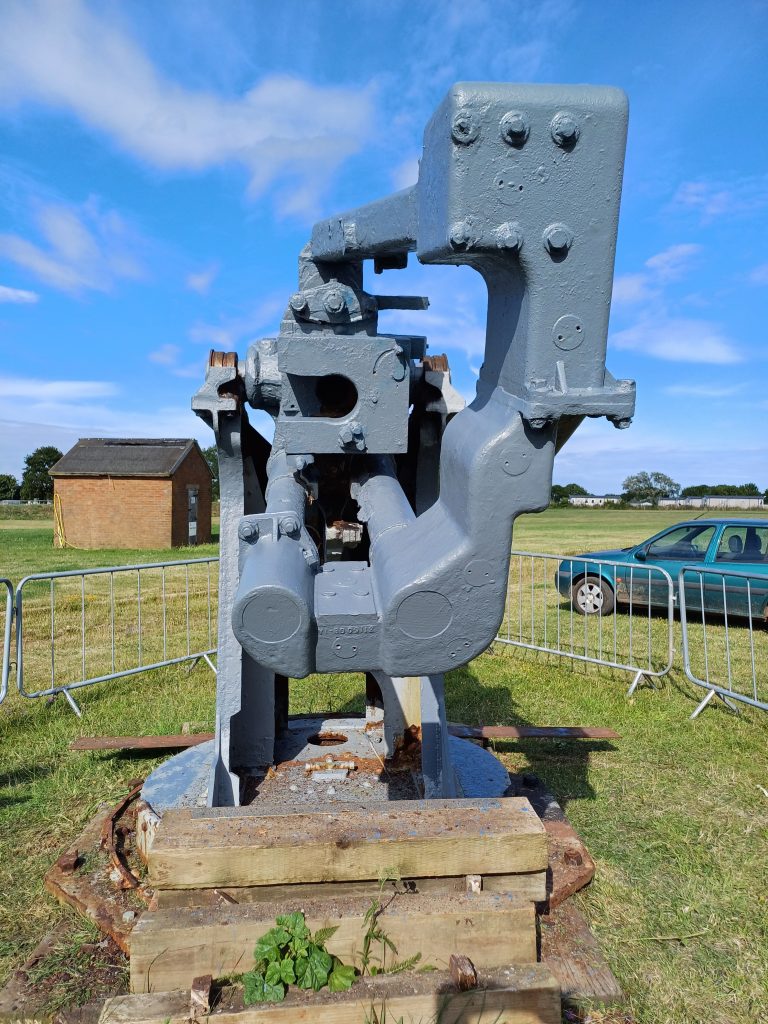
It is with great pleasure that Project Redsand CIO are so very pleased to announce we have managed to secure one of the original Thames Sea Forts QF 3.7 inch (HAA) Heavy Anti Aircraft Guns.
This is one of four being removed from Tongue Sands and Knock John Naval Forts in June of 1992.
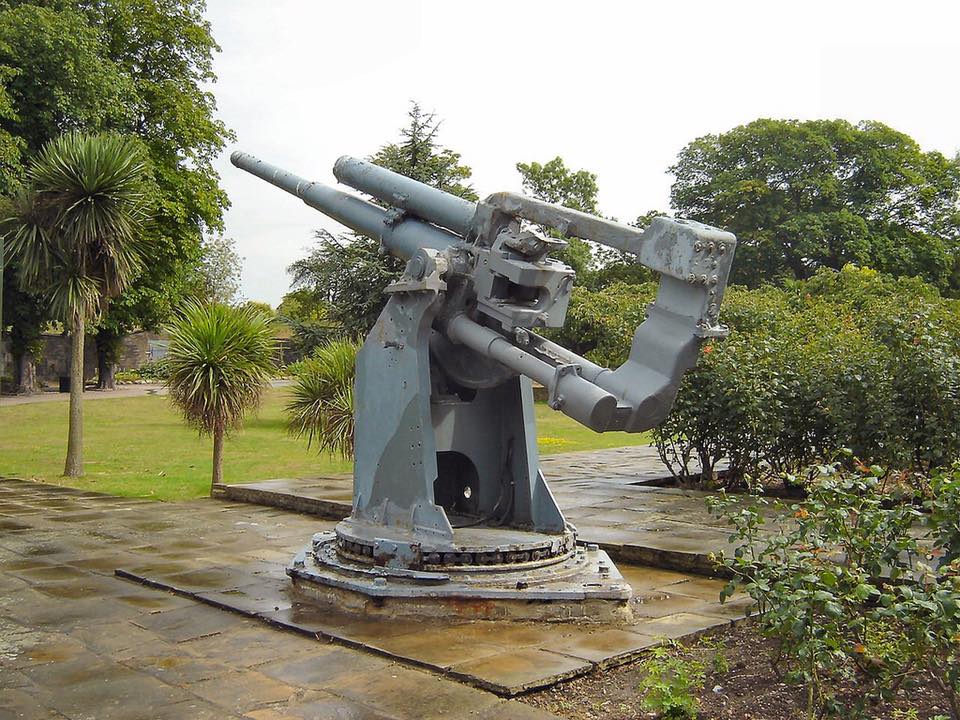
Of the four removed , one went to New Tavern Fort at Gravesend, where it can still be seen today. The other three were sent to a museum in Scapa Flow, Scotland.
This is where all three of magnificent guns spent some time on display before being sold to the Dumfries and Galloway Aviation Museum. The museum then put two on display with our gun remaining in open storage for some years (the sister gun to the other Tongue Sands Gun at New Tavern Fort Gravesend) meaning it lived in the car park.
It was the decided to sell the guns on, once again. One gun went to the Solway Aviation Museum in Carlisle www.solway-aviationmuseum.co.uk, where it’s now on display. Another went to the, now defunct, Tanks of Scotland Museum, and the third is our gun.
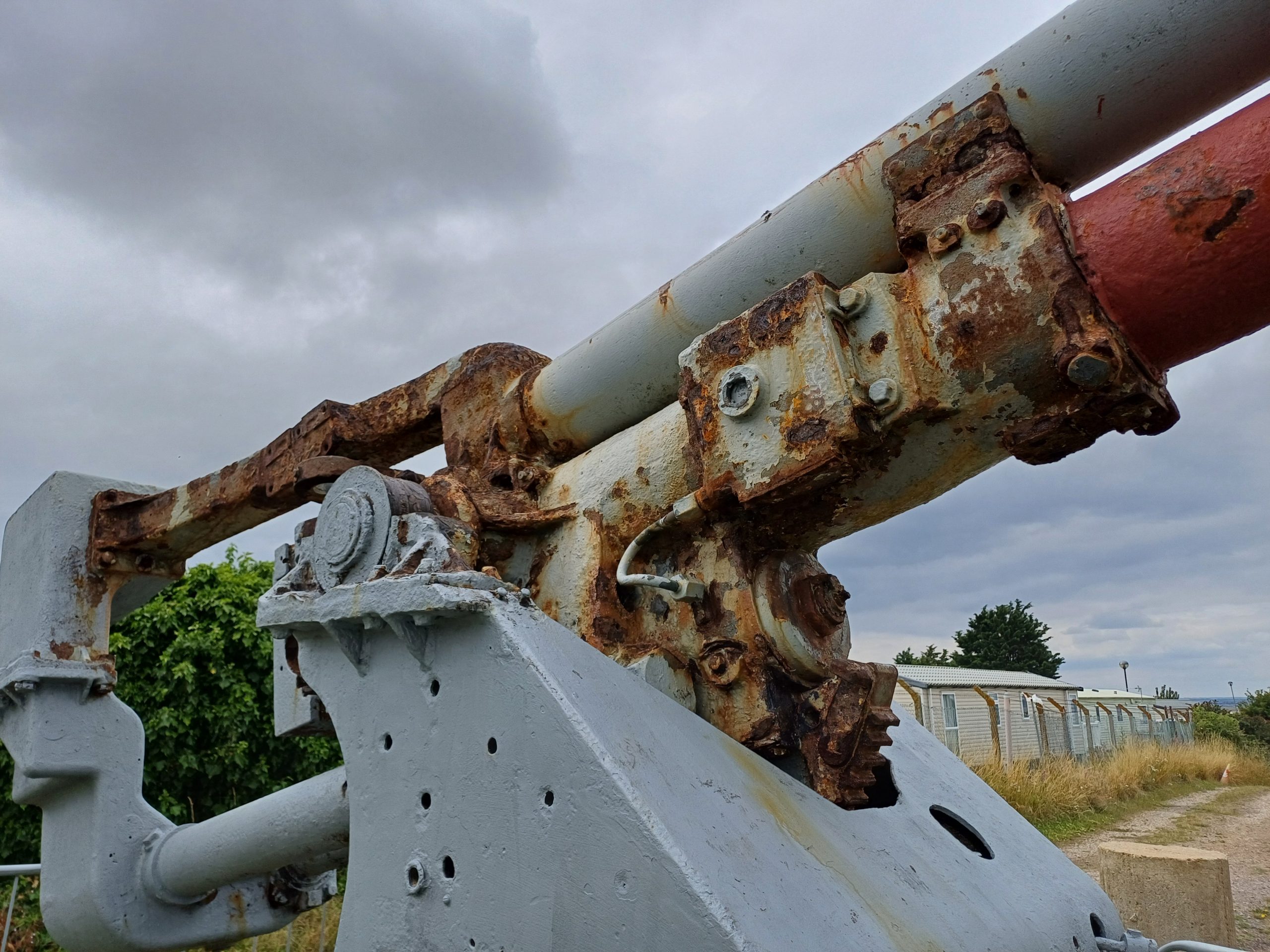
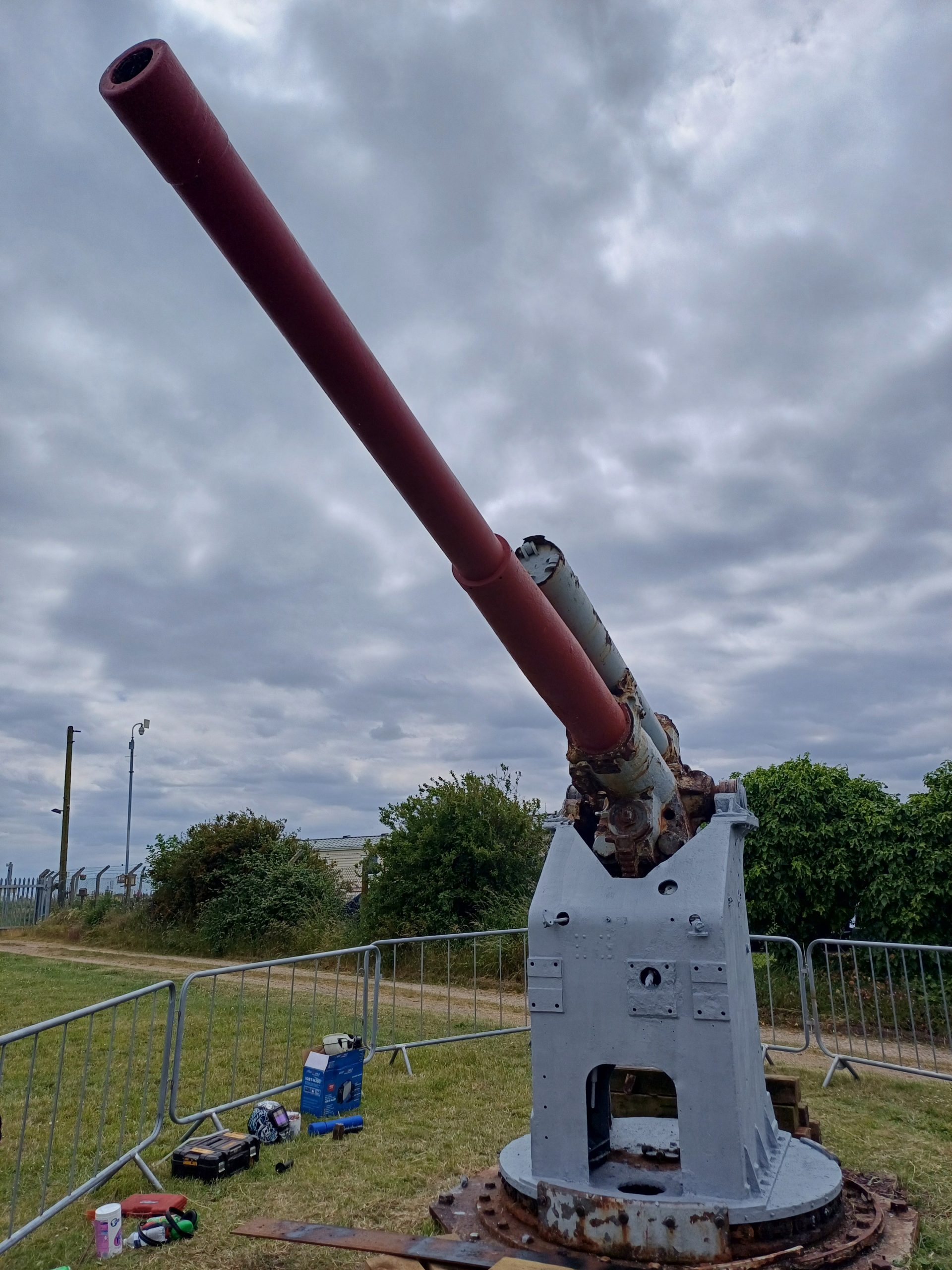
We recovered the gun to Slough Fort in Allhallows, Kent to restore and display to the public alongside an interpretation board, although, much like the forts, it is a long term restoration project. We have already made great progress thanks to our band of loyal volunteers.
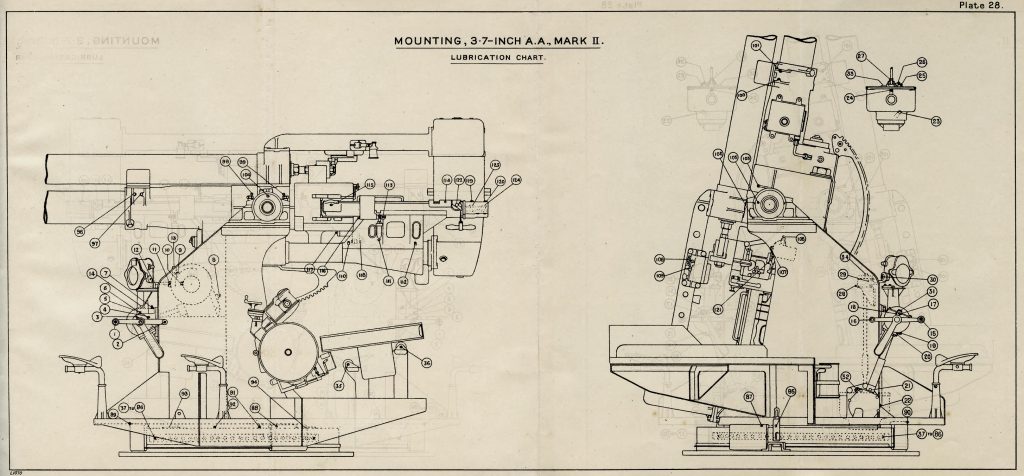
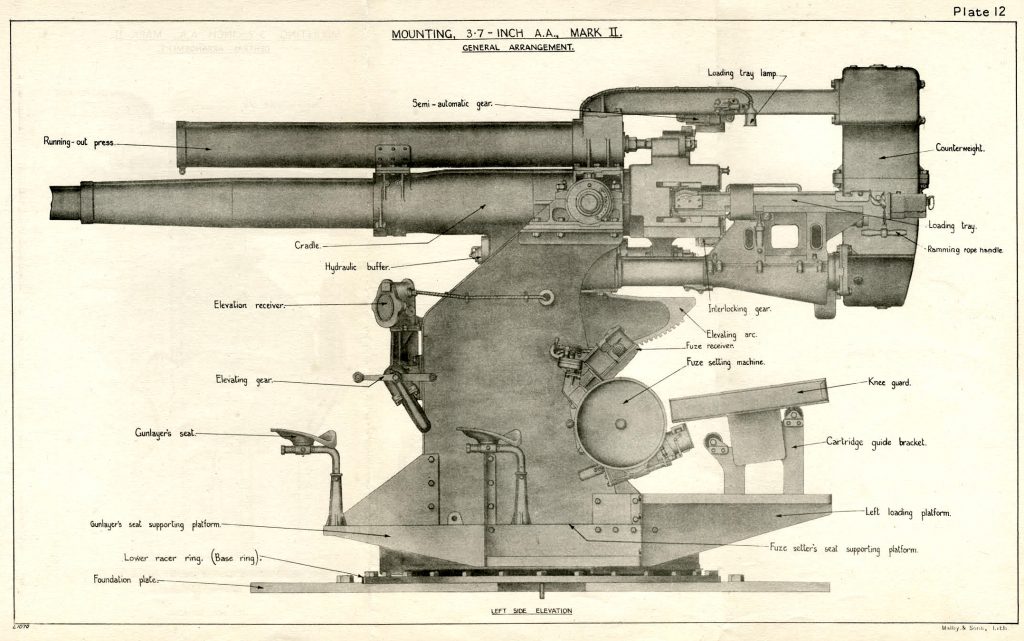
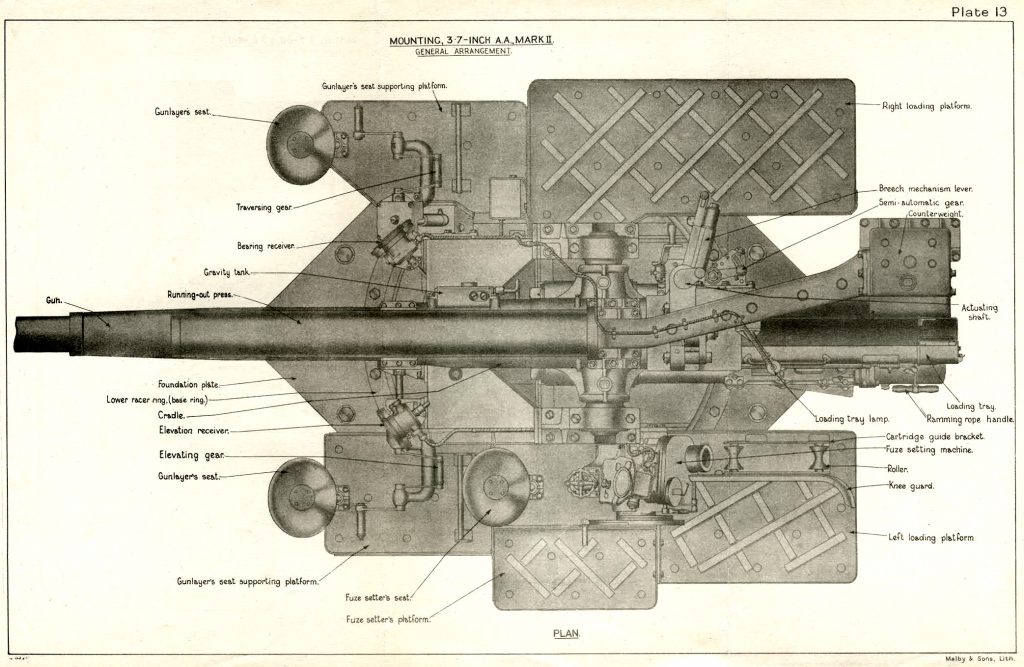
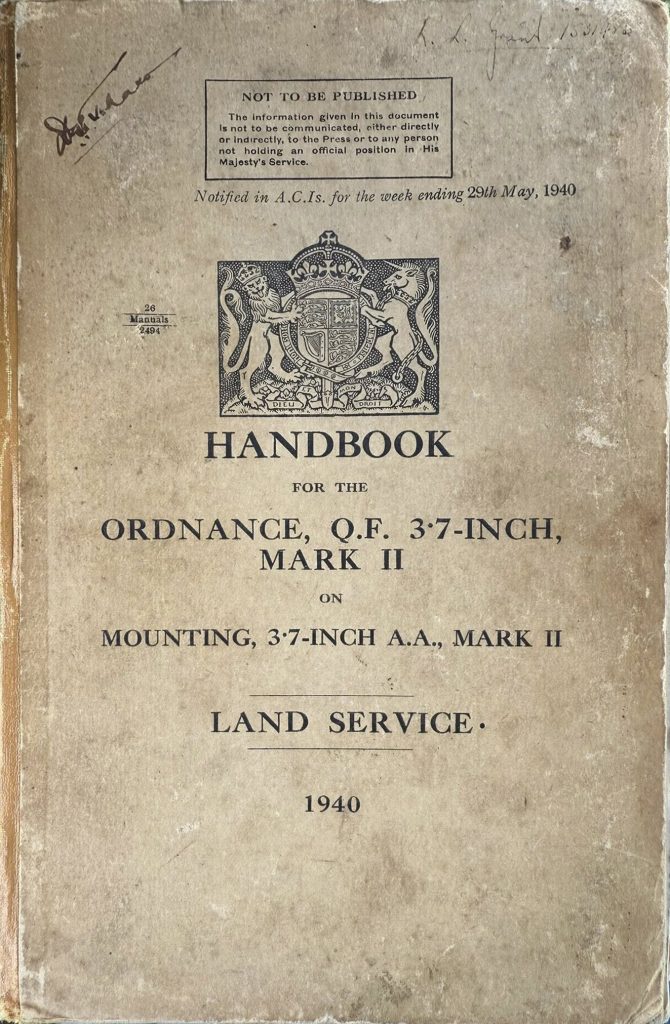
Our magnificent gun is a QF (Quick Fire) MK VI (6) Vickers 3.7 inch (HAA) or (ACK ACK) Heavy Anti Aircraft Gun. These were the standard anti-aircraft guns of the Second World War.
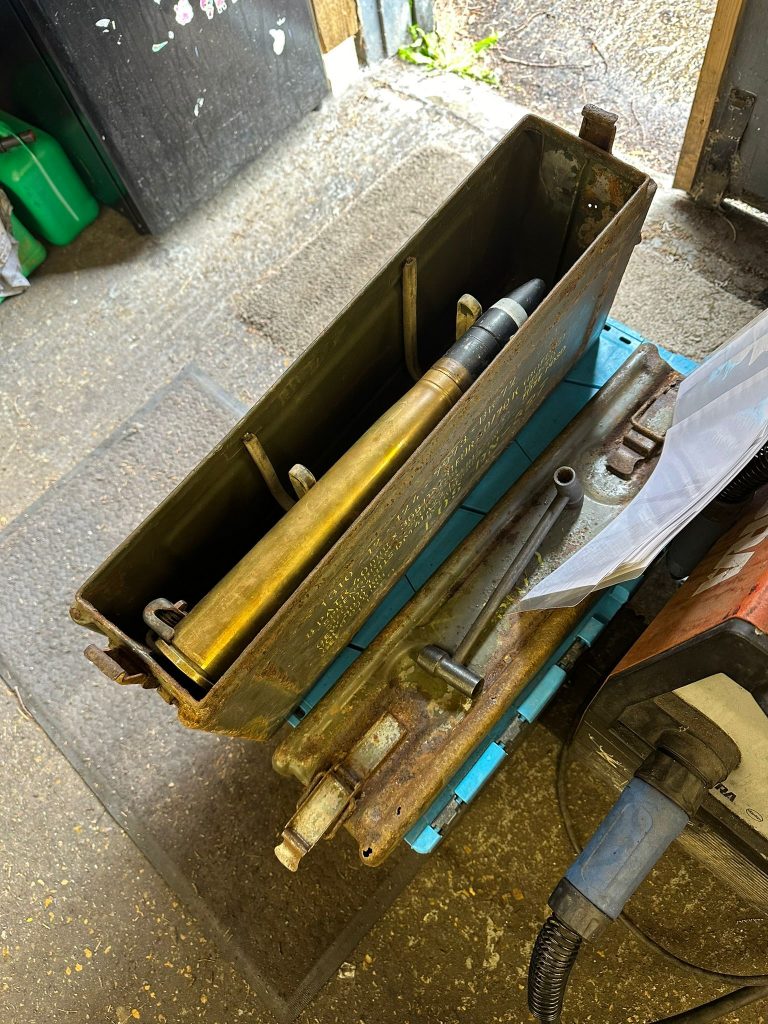
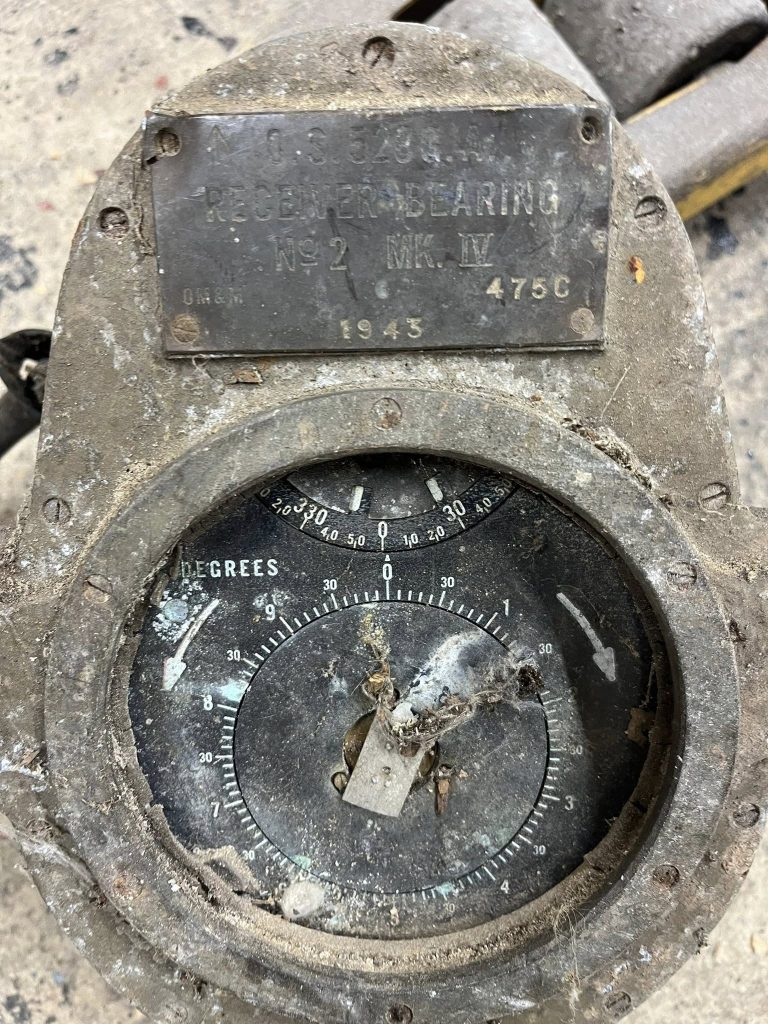
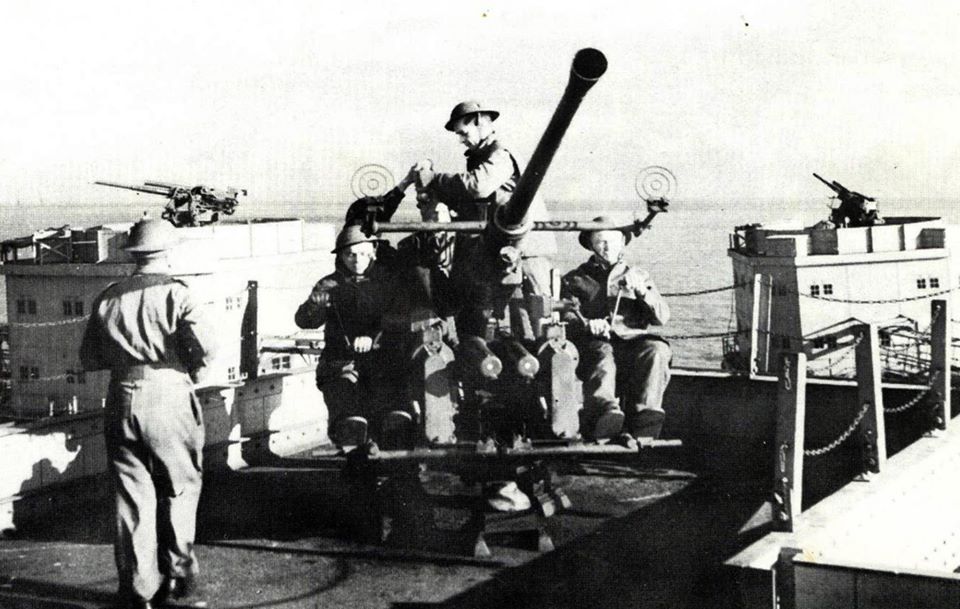
The gun would have been operated by crew of seven. A well trained crew could fire 20 to 25 rounds per minute to a maximum altitude (ceiling) of 44,000 feet, as opposed to the previous ceiling of 28,000 feet of the earlier models. In this role the shell would be capped by a proximity fuse which could be set to detonate at a certain height or distance from the target! (Please see our museum collection for some amazing fired ordnance which was actually dug up from a German plane crash site along the Thames). The gun had operators sitting on a seat each side, one to control the azimuth (left and right of the entire gun platform) and one would control the elevation (up and down) of the barrel. These highly skilled operators were fed information on where to aim the gun from personnel operating a Vickers Predictor. By aiming the predictor at approaching aircraft, numbers could be read which would be relayed to the gun for the Gunners to arrange a firing solution and also to the Thames and Medway Estuaries Control Centre at Fort Luton in Chatham.
The gun itself weighs nearly 7 tons. The MK 6 was the most numerous of the Vickers QF range, with over 3000 produced. The QF 3.7 were an export success and sold to many countries such as India and Singapore, some are still in service today .
The Thames Forts took down 22 enemy aircraft and 33 V1 flying bombs. Between our crew in wartime and Shivering Sands, we managed to sink two German E’Boats as well. We like to think our gun played a part in that.
This gun was purchased after a chance conversation with Jim at Merville Barracks in Colchester, many thanks for his and their help (Jim, Dave and Charlie) in making this incredible endeavour achievable.